 Our experts are here to help:


Sealing guide Understanding the main types of rubber seals
O-rings, SPI seals and, more generally, lip seals are among the most common sealing solutions used in industry. Their purpose is similar: to prevent a fluid or gas from passing between two environments. However, their operating principle, geometry and conditions of use are very different.
Choosing a seal depends in particular on the type of movement, pressure, temperature, fluid, available dimensions and material used.
This article mainly compares O-rings, SPI seals and lip seals. We will also look at two complementary solutions widely used in industry: hydraulic seals and custom-cut flat gaskets based on drawings.
Compare the different types of seals ↓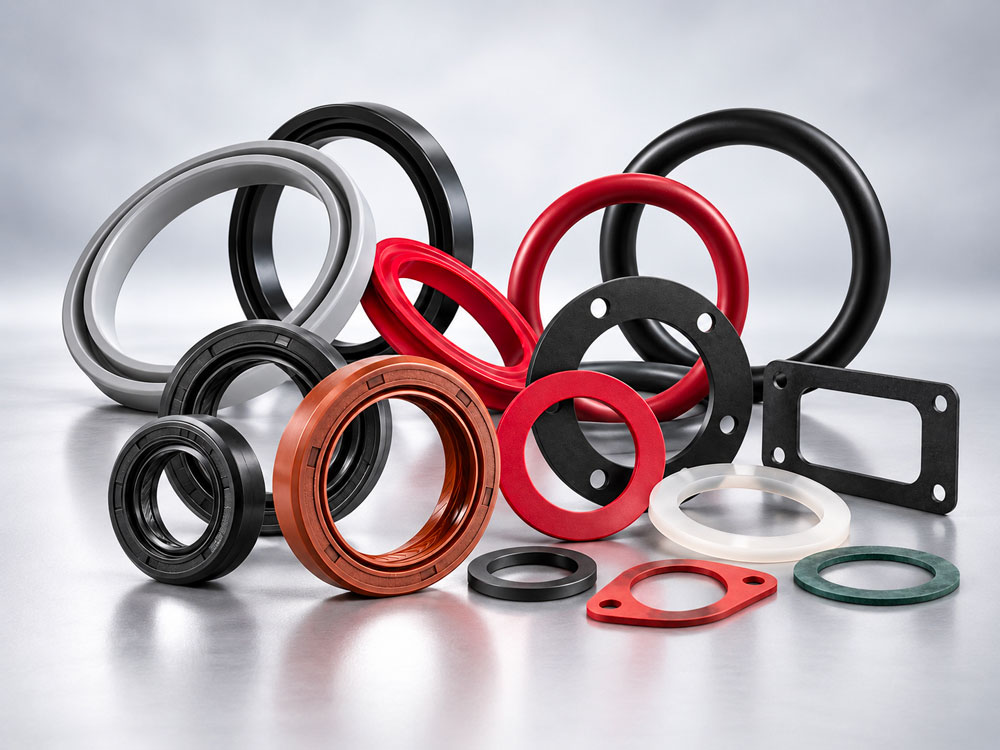
Table of contents
Comparison What are the main types of seals?
Rubber seals and sealing solutions can be classified according to their geometry, material and, above all, the type of movement to which they are subjected.
In industrial applications, O-rings and lip seals are widely used. Hydraulic seals and flat gaskets complement these solutions when required by the assembly or its geometry.
O-ring How does an O-ring work?
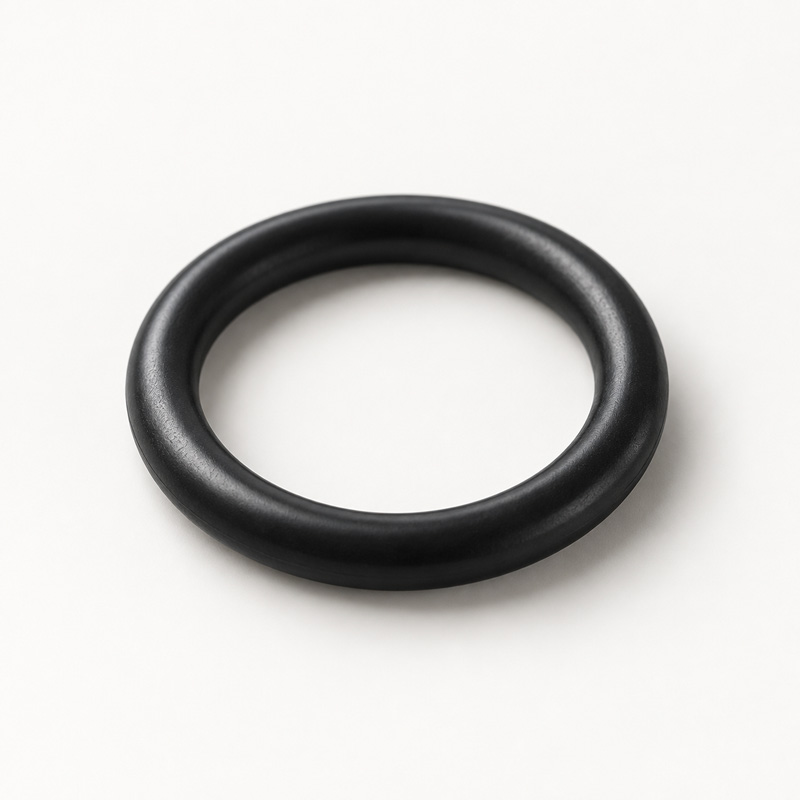
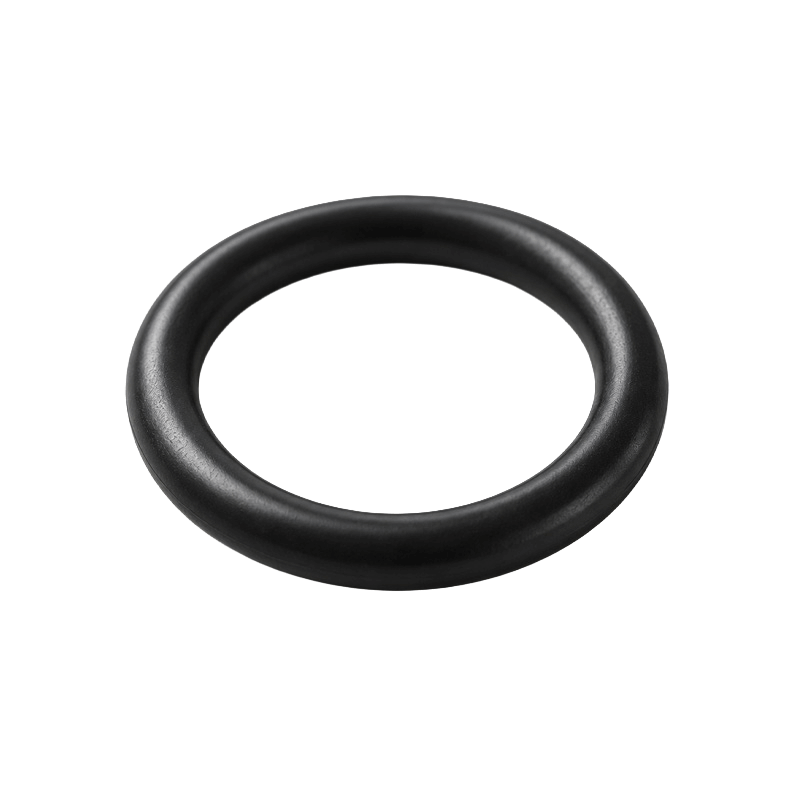
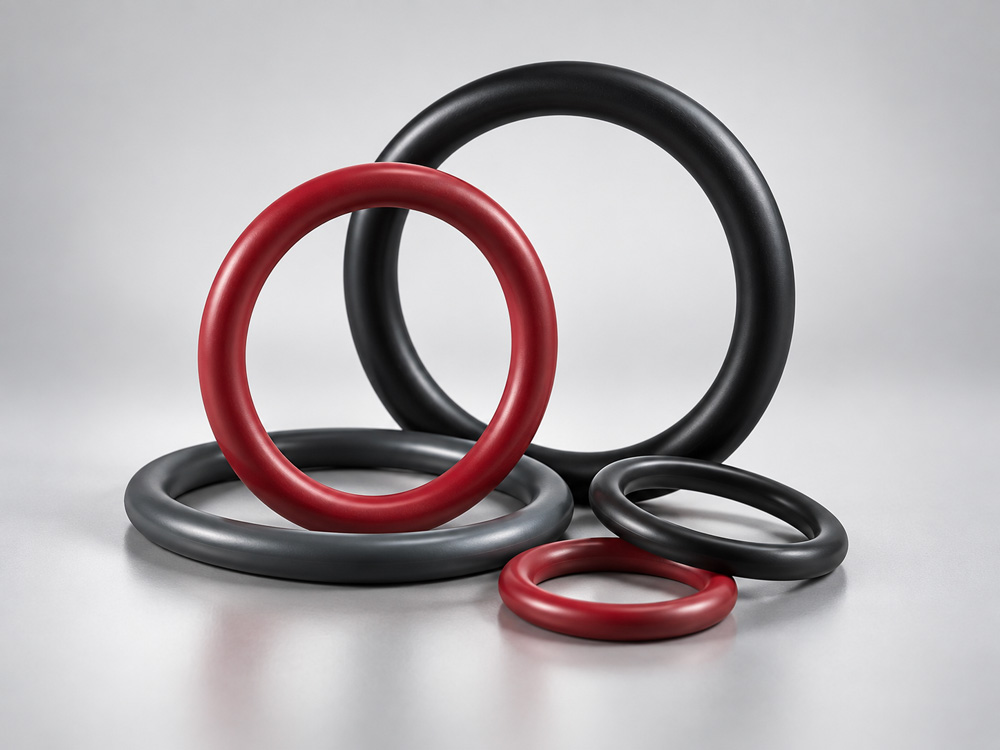
An O-ring is an elastomer ring with a circular cross-section. Despite its apparently simple design, it can be used in a very wide range of industrial applications.
It is generally fitted into a specially dimensioned groove. During assembly, the O-ring is compressed between the surfaces to create the seal.
The symmetry of its cross-section facilitates installation and allows the deformation to be distributed progressively. This geometry is one of the reasons why O-rings have become such a widely used sealing solution.
What applications are O-rings used for?
O-rings are very commonly used for static sealing, meaning applications in which the two assembled parts have little or no significant relative movement.
Depending on the system design, dimensions, speed and operating conditions, O-rings can also be used in certain dynamic applications.
How to correctly define an O-ring?

Inner Ø
Inner diameter of the O-ring.
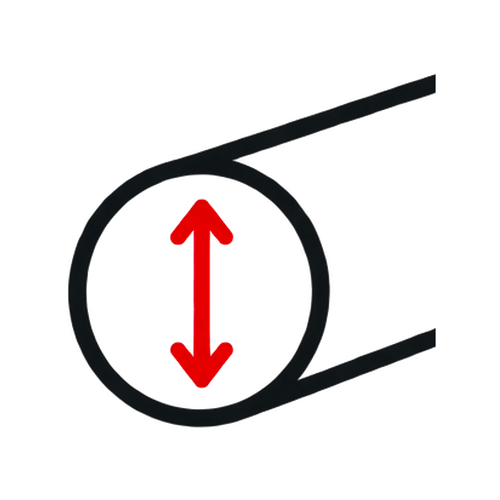
Cross-section Ø
Diameter of the circular cross-section.

Pressure
Pressure to which the seal will be subjected.

Fluid
Oil, water, air, gas or chemicals.

Temperature
Minimum and maximum operating temperatures.
To help you take the correct measurements, discover our guide: how to measure an O-ring?
What materials are used for O-rings?
Material selection mainly depends on the temperature, fluid, operating environment and required hardness.
Among the most common solutions are NBR / nitrile, FKM / FPM / Viton and EPDM. Here are a few examples of commonly used grades:
PC851 (NBR 80) - Standard grade
- Liquid petroleum products: oils, fuels, greases
- Gaseous petroleum products: butane, propane
- Compressed air
- Maximum temperature 120°C
- Water up to 80°C
- Hardness 80 Shore A
DF801 (FPM 80) - Technical grade
- Very good heat resistance up to 250°C
- Very good resistance to petroleum products
- Good resistance to many aromatic and aliphatic solvents
- Very good general chemical resistance
- Very good resistance to high vacuum
- Hardness 80 Shore A
EP851 (EPDM 85)
- Water and steam up to 170°C
- Glycols
- Mineral chemicals
- Acids and bases
- Non-petroleum-based brake fluids
- Excellent weather resistance
- Hardness 85 Shore A
PB701 (NBR 70)
- Liquid petroleum products: oils, fuels, greases
- Gaseous petroleum products: butane, propane
- Compressed air
- Maximum temperature 120°C
- Water up to 80°C
- Hardness 70 Shore A
How are O-rings manufactured?
Manufacturing an O-ring requires a high degree of precision. Discover the industrial expertise of the Le Joint Français factory in this video.
SPI seal How does an SPI seal work?
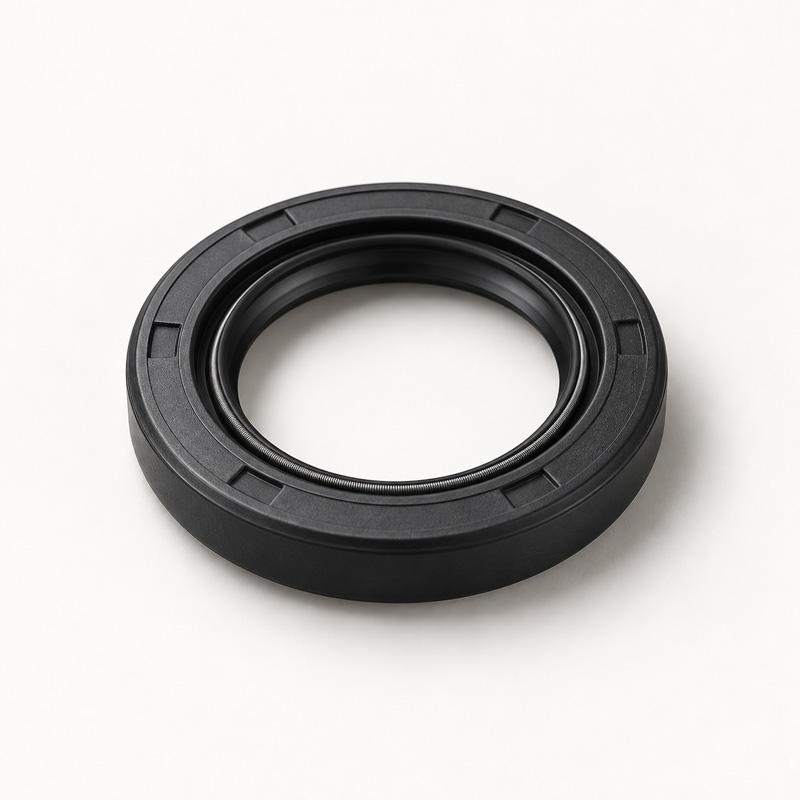
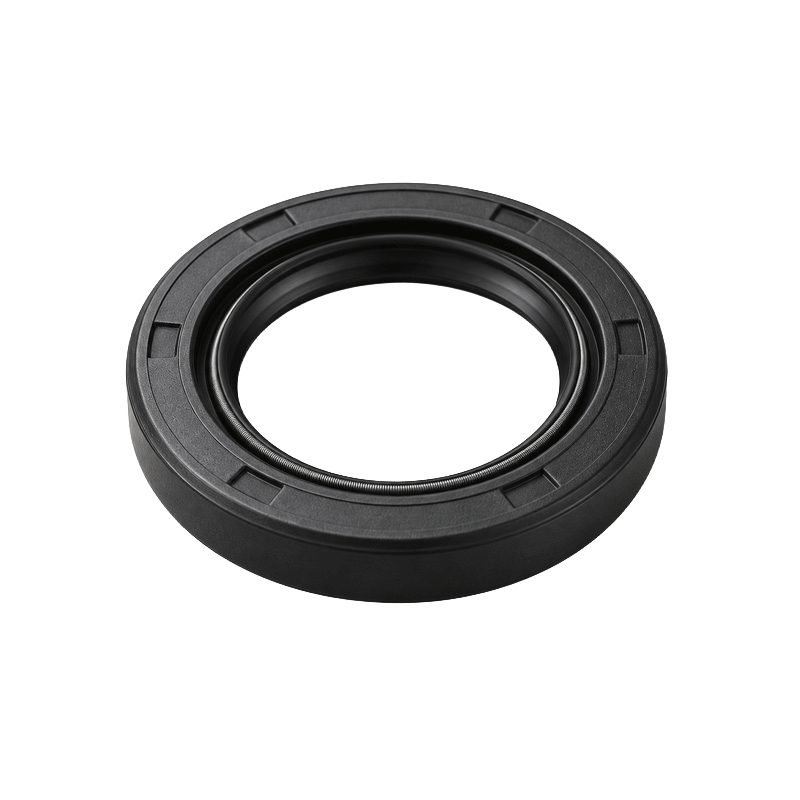
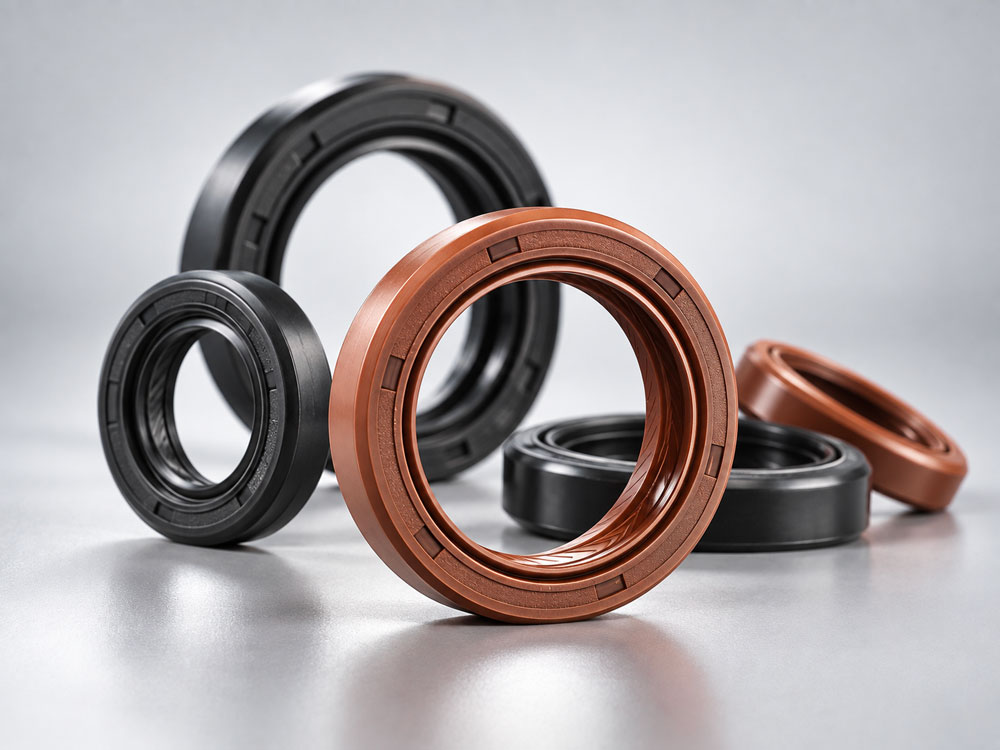
An SPI seal belongs to the family of lip seals. It is primarily designed to provide sealing between a fixed housing and a rotating shaft.
This function requires a precise balance: the lip must maintain sufficient contact with the shaft to limit fluid leakage while controlling friction and wear.
SPI seals are found in many mechanical systems, including engines, gearboxes, transmissions, pumps and assemblies incorporating rotating shafts.
What is an SPI seal made of?
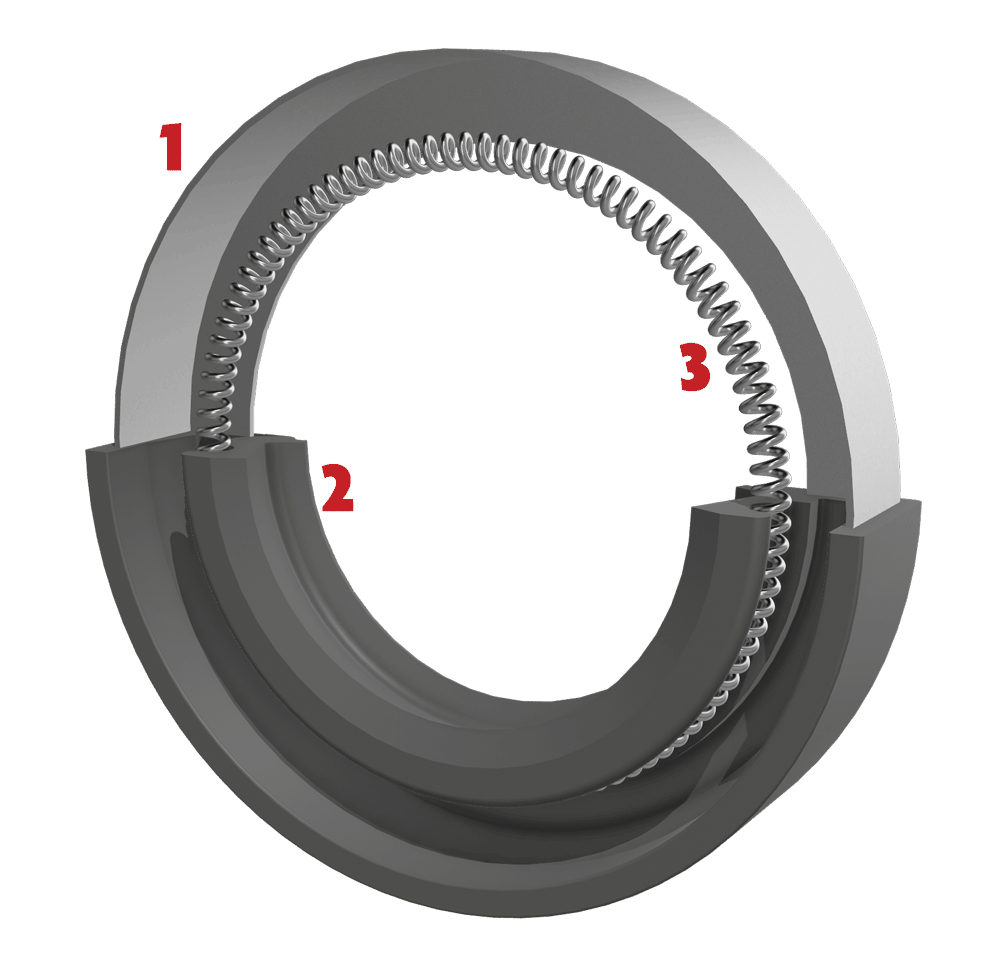
Metal reinforcement
It provides the rigidity required to retain the seal securely in its housing.
Sealing lip
The elastomer lip maintains contact with the rotating shaft and forms the main functional sealing area.
Garter spring
Depending on the seal design, a spring helps maintain consistent pressure of the lip against the shaft.
How does an SPI seal work?
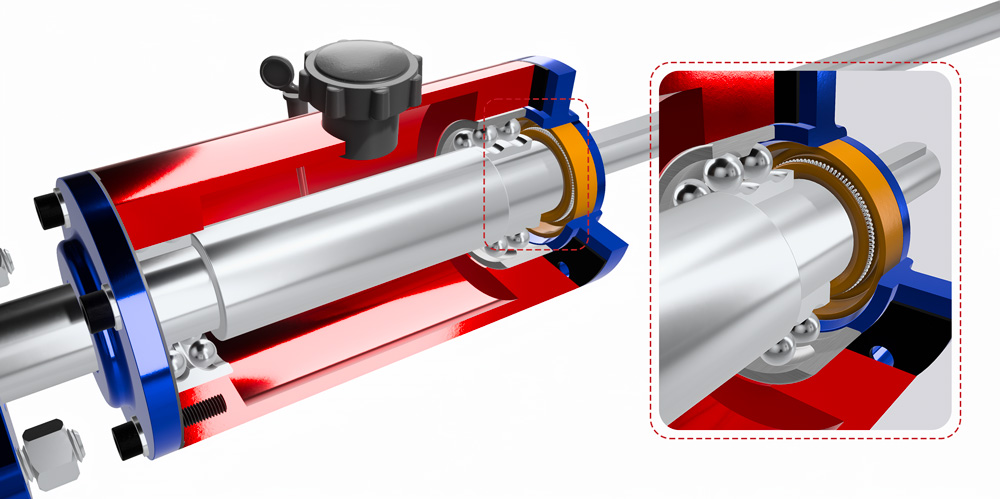
The SPI seal is fitted between a fixed housing and a rotating shaft. Its sealing lip remains in contact with the shaft to limit fluid leakage while accommodating the rotary movement.
The garter spring helps maintain consistent pressure of the lip against the shaft. This balance is essential for maintaining sealing performance while limiting friction and wear.
The shaft surface finish, shaft diameter, rotational speed, fluid and temperature are therefore important parameters when selecting the correct reference.
What information is required to choose an SPI seal?
Shaft Ø

Housing Ø

Depth
Fluid
Temperature

Rotational speed
Which material should you choose for an SPI seal?
Material selection mainly depends on the fluid, temperature and operating conditions. For SPI seals, two main elastomer families are commonly used: NBR and FKM.
NBR / Nitrile
NBR is commonly used for industrial applications involving oils, greases and fuels.
It is a versatile solution for many mechanical assemblies when operating temperatures remain compatible with the selected grade.
FKM / Viton
FKM is preferred for applications requiring better resistance to high temperatures and many aggressive fluids.
It is particularly suitable for more demanding operating conditions or when NBR reaches its performance limits.
Remember: material should not be selected based on temperature alone. Compatibility with the fluid, rotational speed and actual operating conditions must also be checked.
Another type of lip seal Hydraulic seals: designed for reciprocating movements
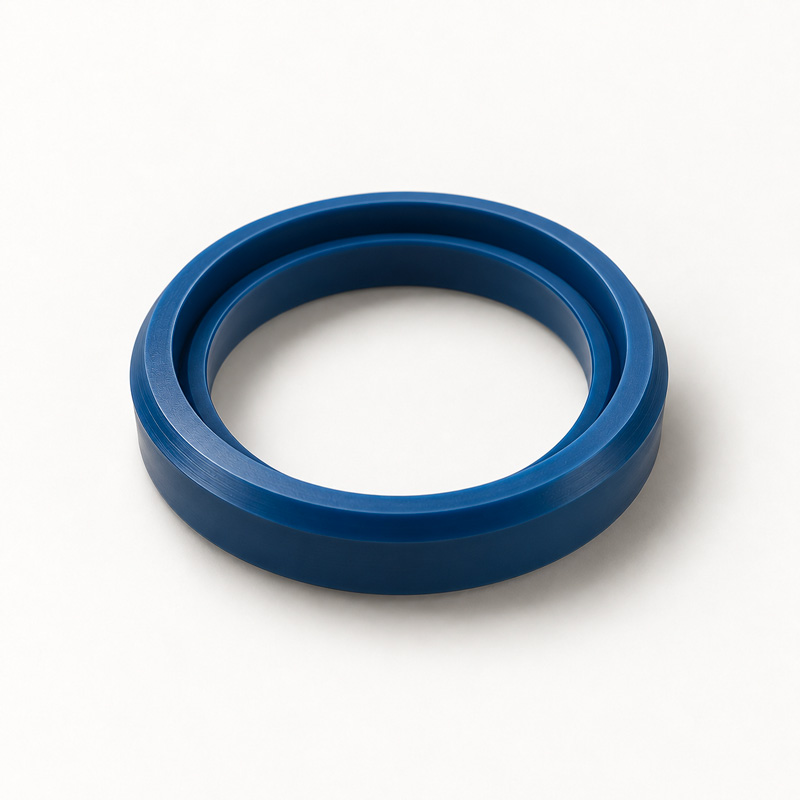
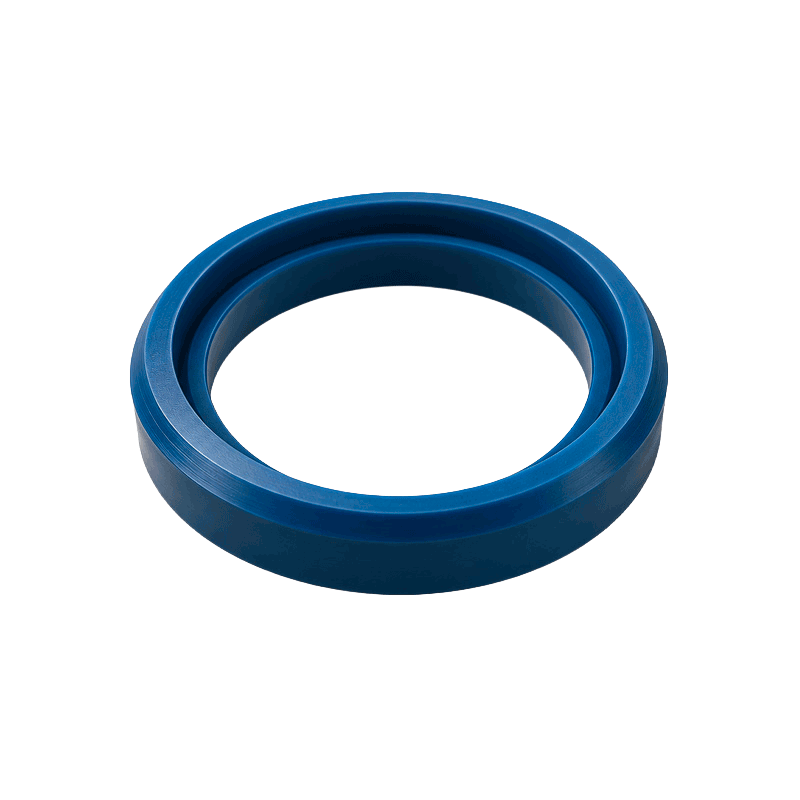
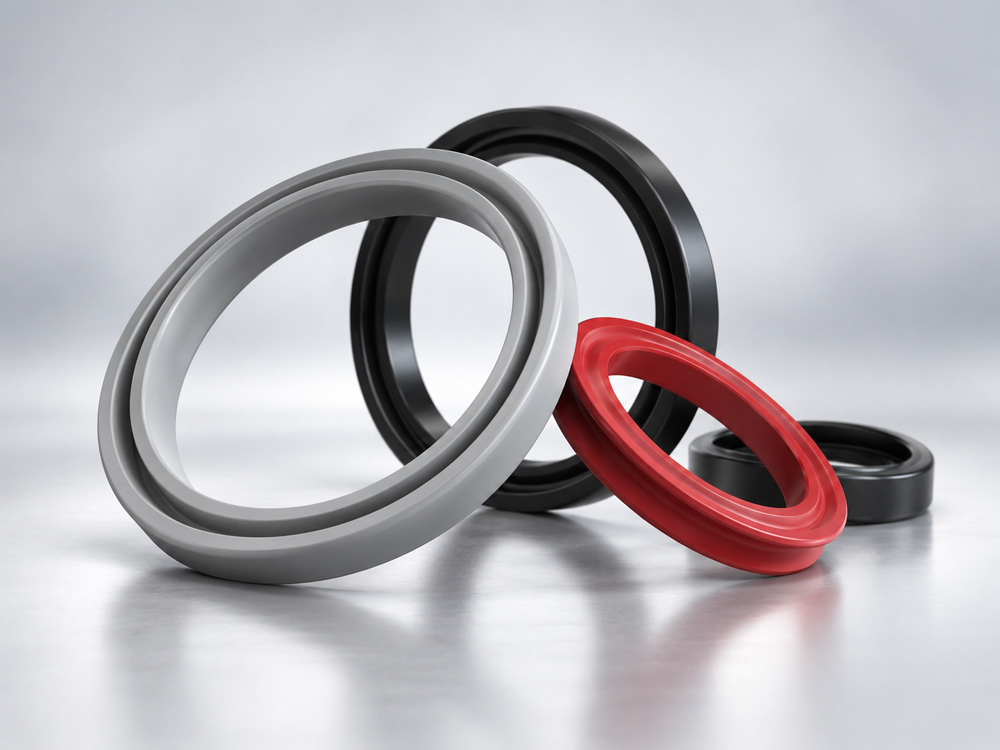
The hydraulic seal is another major family of seals used for dynamic sealing. Unlike the SPI seal, which is primarily associated with rotation, it is designed in particular to accommodate the reciprocating movement of a rod or piston.
Hydraulic seals are commonly found in hydraulic and pneumatic cylinders. Their shape, profile and material are selected according to pressure, movement and friction requirements.
Materials vary depending on the application and may include polyurethane, PTFE or various elastomers.
SPI seal
Sealing around a rotating shaft.
Hydraulic seal
Sealing around a rod or piston moving axially.
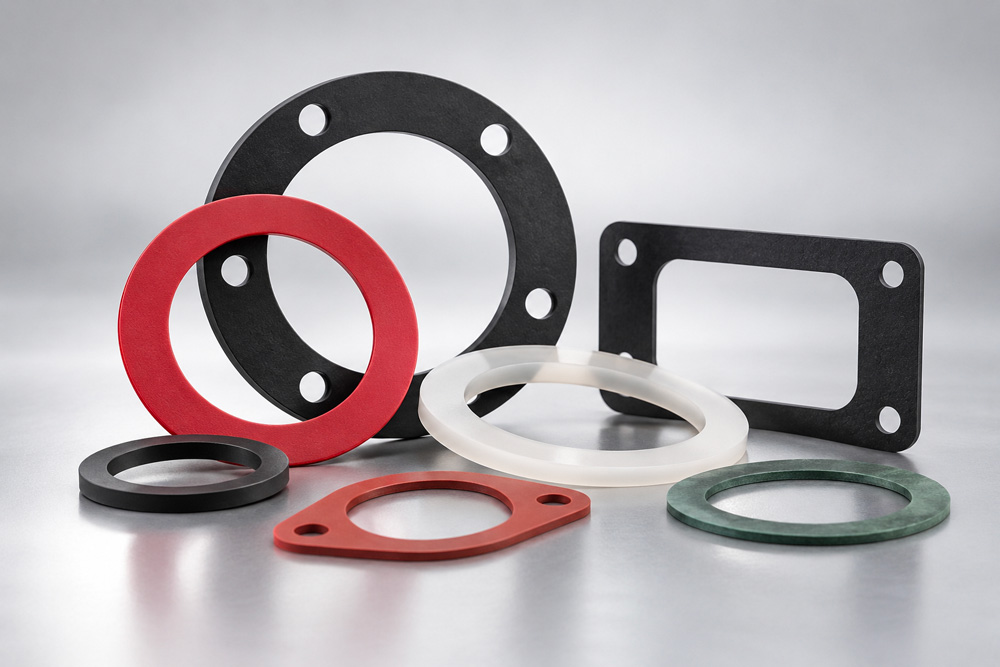
Custom parts workshop Custom-cut flat gaskets based on drawings
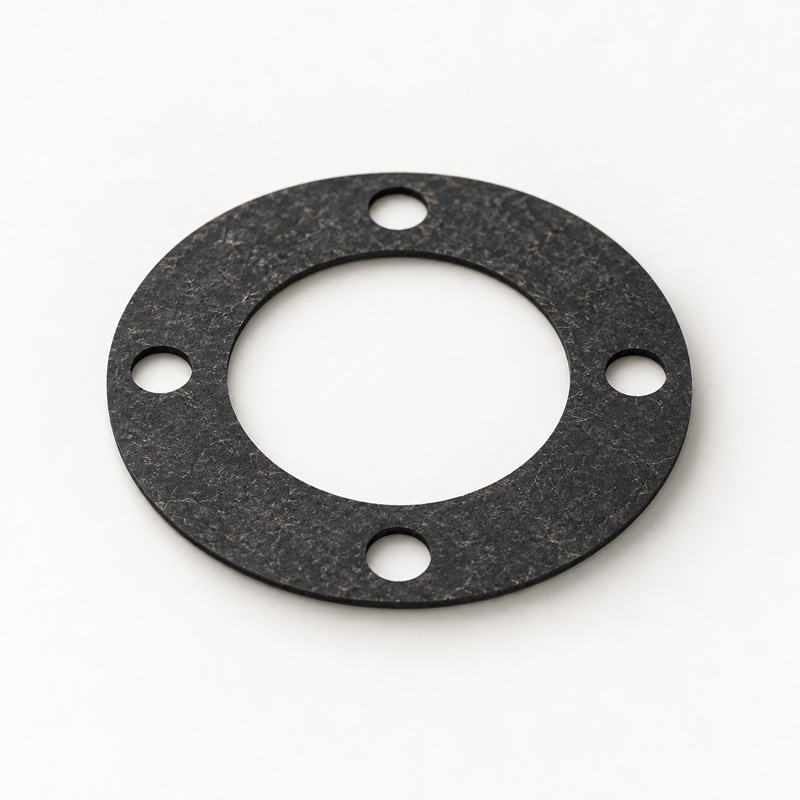
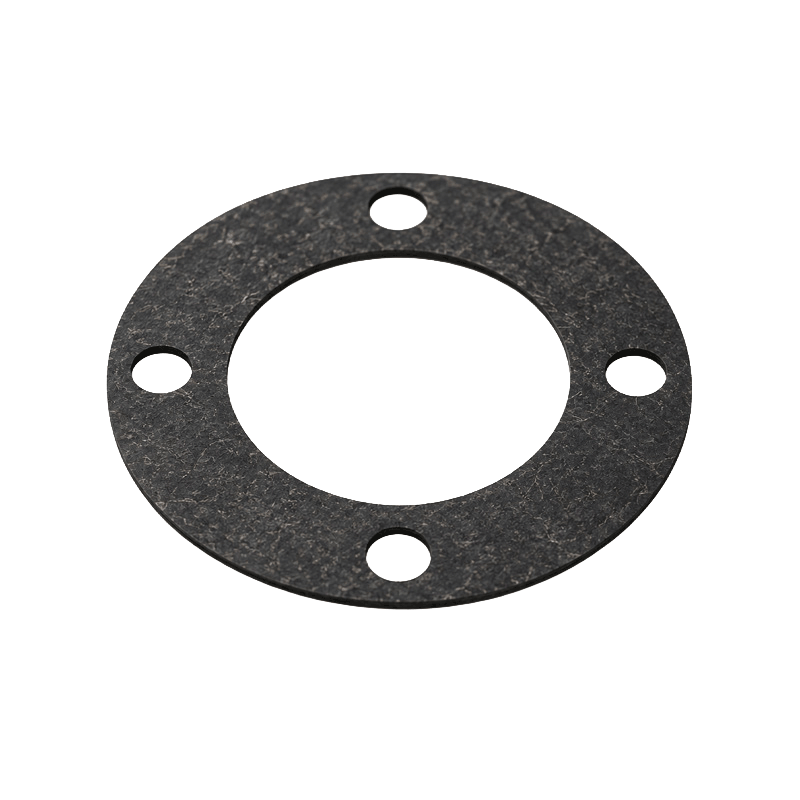
Manufacturing technical parts based on drawings is at the heart of Solutions Elastomères' expertise. Our workshop can produce custom flat gaskets adapted to the dimensions and requirements of each application.
Unlike an O-ring or SPI seal, a flat gasket is cut from a sheet of material. It is mainly used to provide a static seal between two surfaces, for example between two flanges, a housing and its cover, or two components within the same assembly.
Depending on the application, the part can be made from rubber, silicone, polyurethane or jointing sheets. Selection depends in particular on the fluid, temperature, pressure and operating environment.
How do we manufacture a part from your drawing?
Part drawing
Send us the geometry of your part, for example as a technical drawing or DXF file.
Material selection
The material and thickness are selected according to the actual operating conditions.
Custom cutting
Waterjet cutting makes it possible to produce simple or complex shapes without dedicated tooling.
Prototype or production run
Our workshop can meet requirements ranging from one-off parts to series production.
A workshop for your custom sealing parts
Custom cutting based on drawings enables us to meet a wide range of industrial requirements: flange gaskets, housing gaskets, sealing parts, shims, washers and specific technical shapes.
Custom manufacturing also makes it possible to quickly produce a prototype, replace an existing part or manufacture a series from your technical definition.


Compatibility How to choose a seal material?
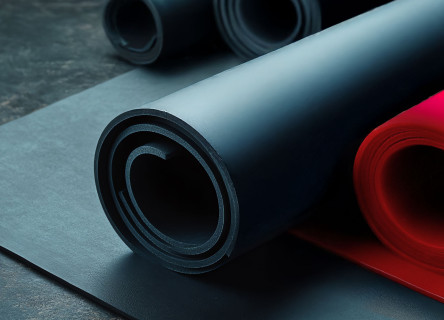
The same seal geometry can be manufactured from many different materials. Selection depends in particular on the fluid, temperature, environment, mechanical requirements and type of sealing required.
Rather than considering only a specific material grade, it is useful to start by identifying the main material family suited to the application.


Can other materials be used?

Rubber foams
Closed-cell foams can be used for certain sealing, packing or protection functions.
View our rubber foams →
Jointing sheets
Technical sheets can be used to produce flat gaskets cut to the dimensions required by the application.
View our jointing sheets →Making the right choice How to choose the right type of seal?
Selection should not be based on dimensions alone. Several parameters must be considered together to select a solution suited to the actual operating conditions.
Type of movement
Fixed parts, a rotating shaft or a reciprocating rod: the type of movement is already a key factor in identifying the appropriate seal family.
Pressure
Fluid pressure influences the assembly design, seal profile and sometimes the material to be used.
Fluid
Water, oil, fuel, air, gas or chemicals: the seal material must be compatible with the medium.
Temperature
The minimum and maximum application temperatures must remain compatible with the properties of the selected material.
Dimensions
Diameter, groove, housing, thickness and available installation space must be measured accurately.
Environment
Abrasion, outdoor exposure, dust, aggressive substances or frequency of use can also affect service life.
Installation What mistakes should you avoid when installing a seal?
Choosing based on dimensions alone
Material, fluid, temperature and movement are just as important as dimensions.
Ignoring the fluid
An incompatible material may swell, harden, deteriorate or gradually lose its properties.
Pinching or cutting the seal
A sharp edge, incorrect positioning or twisting can damage the seal during installation.
Neglecting surface condition
For dynamic seals in particular, the condition of the contact surfaces directly affects friction and wear.
Frequently asked questions FAQ about O-rings, SPI seals and lip seals
What is the difference between an O-ring and an SPI seal?
An O-ring is primarily used for static sealing. An SPI seal is a lip seal primarily designed to provide sealing around a rotating shaft.
What is the difference between an SPI seal and a lip seal?
An SPI seal belongs to the lip seal family. The term “lip seal” is broader and can refer to different geometries designed for dynamic applications.
What type of seal should be used for hot water?
Selection depends on the temperature, pressure and type of assembly. EPDM is often considered for applications involving water, subject to verification of the formulation and actual operating conditions.
Which materials are resistant to chemicals?
Resistance depends on the chemical involved, its concentration, temperature and duration of exposure. NBR, EPDM or FKM may be considered depending on the operating conditions.
How can you avoid damaging an O-ring during installation?
Check the groove, avoid sharp edges and make sure not to pinch, cut or twist the O-ring during assembly.
What is the difference between static and dynamic sealing?
A static seal is used between surfaces with no significant relative movement. A dynamic seal must remain effective despite rotational or reciprocating movement.
Which seal is right for your application?
Are you unsure whether you need an O-ring, an SPI seal, a lip seal, a hydraulic seal or a flat gasket?
Our team can help you identify the solution suited to your requirements: dimensions, movement, pressure, fluid, temperature and operating environment.


